
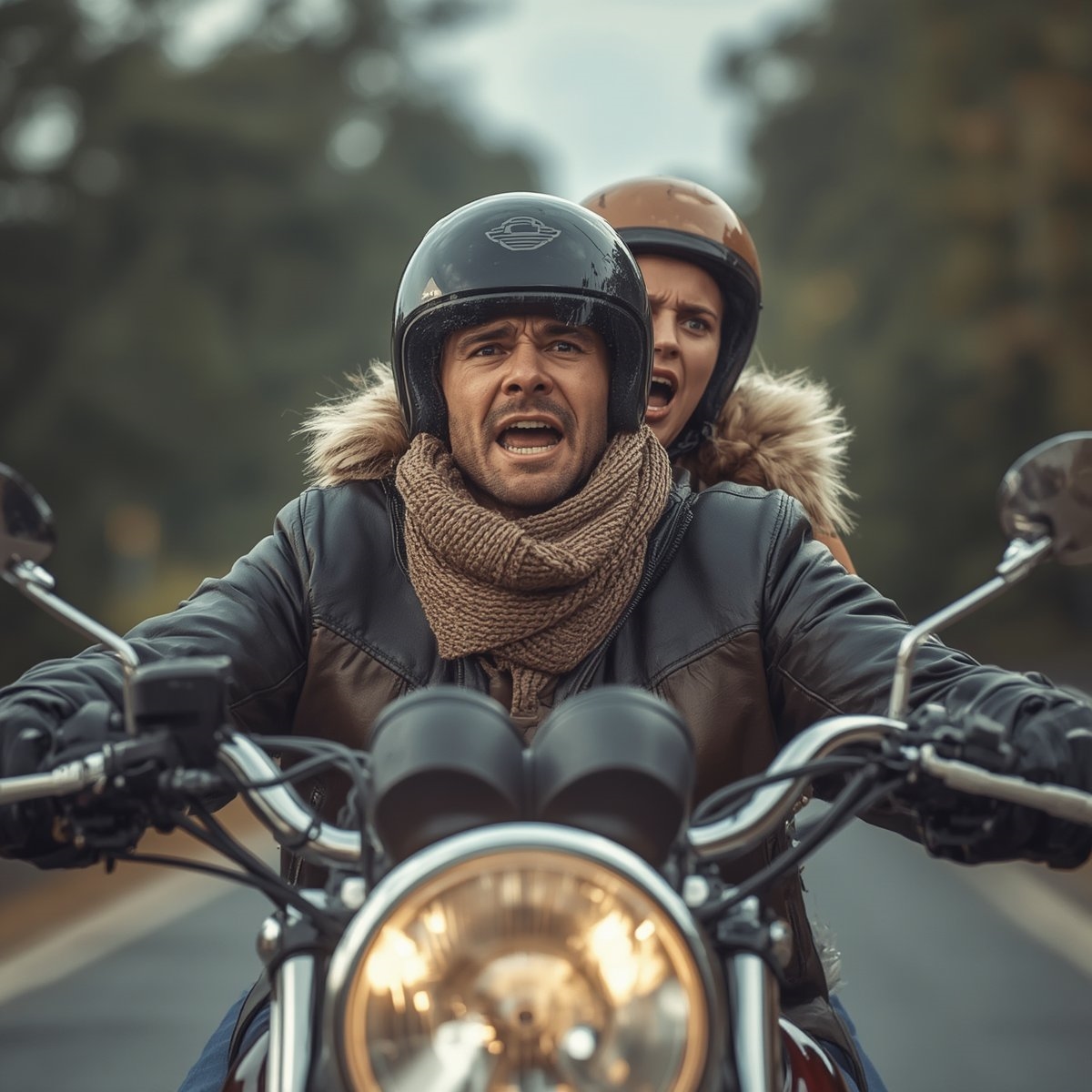
The Pillion's Perspective: What Passengers Really Think About Long Rides
When riders talk about long journeys, they often focus on horsepower, handling, and the perfect stretch of open road. But there's someone else on that adventure whose experience is rarely discussed with the same enthusiasm: the pillion. For passengers, long rides evoke a mix of trust, discomfort, joy, and quiet reflections that only the back seat can inspire.
1. Trust: The Foundation of Every Mile
Riders decide where the bike goes, but passengers must trust completely how it gets there. The pillion's world is built on faith, faith that the rider knows the route, reads the road, and senses every subtle shift in balance.
Long rides magnify this. At 100 km into a journey, the pillion has already surrendered control and settled into rhythm. By the third hour, trust becomes almost meditative.
2. Comfort: The Battle Between Romance and Reality
Despite the romantic idea of leaning together into corners and watching sunsets over the highway, pillions will tell you a different truth: comfort matters more than anything else.
What's on a pillion's mind?
- "Is this seat supposed to feel like a wooden plank?"
- "Why didn't I stretch before we left?"
- "If I adjust my position again, will the rider think something's wrong?"
Backrests, footpegs, smooth throttle control, and regular hydration stops turn endurance into enjoyment. Without them, even the most scenic ride can feel like a test of character, and tailbone tolerance.
3. Communication: A Language of Taps and Leans
Headsets help, but many pillions still rely on time-tested nonverbal signals:
- A tap on the shoulder for attention
- A tighter grip during quick overtakes
- A shift in weight communicates discomfort or a request for a break
Over long distances, this silent language deepens. Rider and passenger become a small, synchronised ecosystem balancing on two wheels.
4. The View: Front-Row Seat to Freedom
From the pillion's elevated vantage point, the scenery opens up like a widescreen panorama. No gauges to monitor, no mirrors to check, just pure immersion.
The pillion sees the world differently: the curvature of the road, the shape of passing landscapes, and the glimmer of sunlight on helmets ahead.
It's a perspective that riders often forget they're not sharing.
5. The Emotional Journey
Long rides give pillions plenty of time to think. Some reflect on life's pressures; others simply enjoy the wind and the rare chance to disconnect. Many describe it as peaceful, almost meditative — once they find their rhythm.
There's also the emotional closeness. Leaning into the same corners, moving together with every acceleration and brake, creates an unspoken bond between rider and passenger. The journey becomes a shared memory rather than a story told from one viewpoint.
6. What Pillions Wish Riders Knew
After hundreds or thousands of kilometers, passengers tend to agree on a few simple truths:
- Consistent smooth riding makes all the difference
- Scheduled breaks are not a sign of weakness
- Clear communication keeps everyone relaxed
- Even small gestures, like checking in after a rough patch, mean a lot
- A comfortable, supportive seat is priceless
In short: the pillion wants to enjoy the ride just as much as the rider.
The Beauty of the Back Seat
To be a pillion is to experience the road in a uniquely vulnerable yet rewarding way. There's a mix of adrenaline and calm, connection and solitude, adventure and trust. Long rides reveal who truly enjoys motorcycling not just for the thrill, but for the journey, the companionship, and the stories waiting at each stop.
Because when the rider twists the throttle, the pillion isn't just coming along for the ride; they're part of the adventure.
You might also like
Pillion Safety 101: How to Brief a New Passenger Before the Ride
A quick pillion safety checklist covering where to hold, how to lean, and what not to do.

The Pillion Diaries: Funny and Unexpected Moments from the Back Seat
Humour, surprises, and the utterly human moments you can only experience on two wheels.