
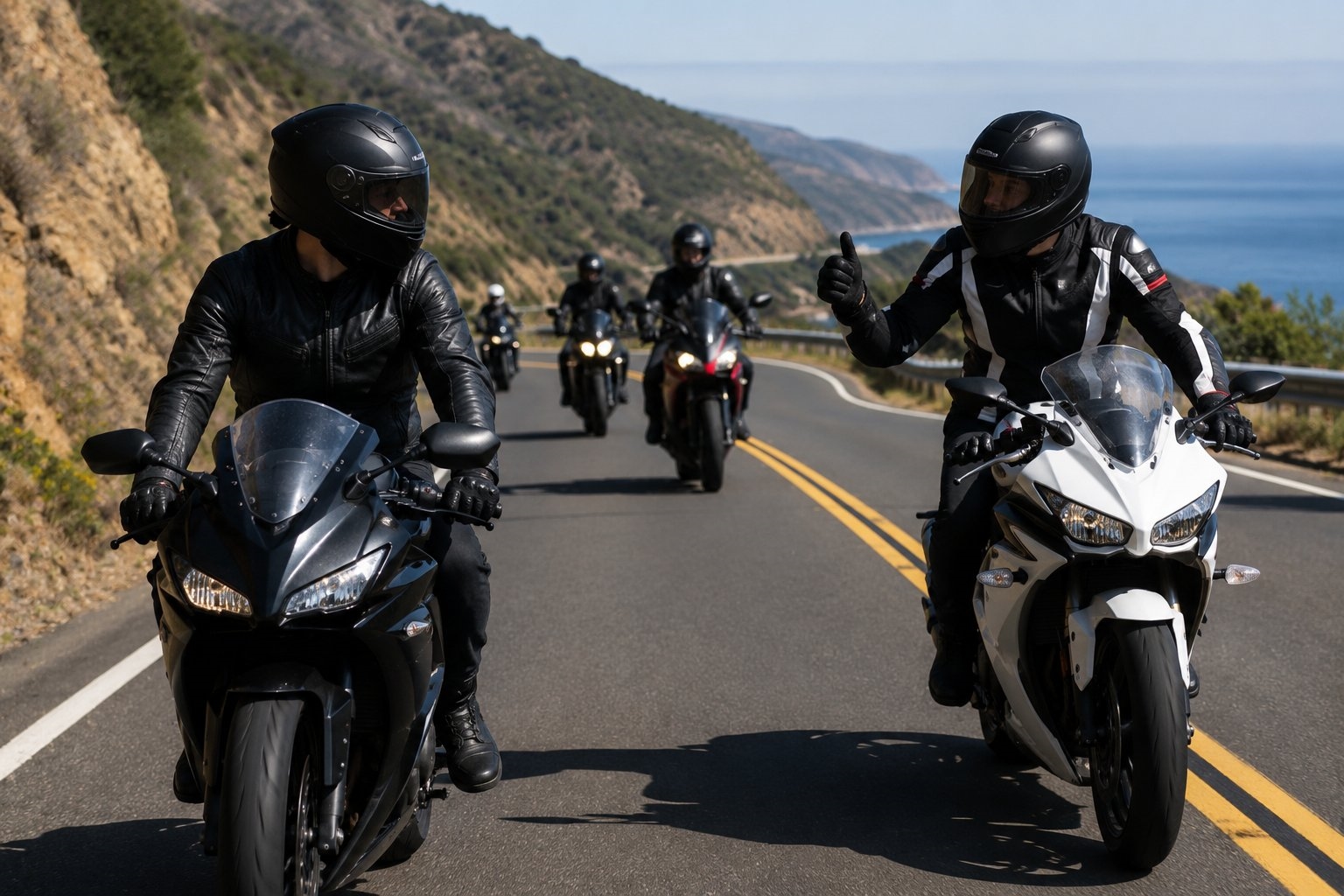
How Social Riding Builds Confidence
Solo riding has real value — you learn the bike, learn your own reactions, build familiarity at your own pace. But there's a ceiling on what solo practice can teach you. At some point, the fastest route to genuine confidence on a motorcycle isn't more time alone on familiar roads. It's riding with other people.
Group riding accelerates development in ways that are hard to replicate solo: you see technique in real time, you make decisions under mild pressure, you get immediate informal feedback, and you arrive at the café with a debrief that can be worth more than a dozen textbook chapters. Here's why it works, and how to make the most of it.
Why Solo Practice Has a Ceiling
When you ride alone, you set the pace, choose the route, and decide when to push and when to ease off. That control feels comfortable, but it also means you rarely get pushed to adapt. Your habits — good and bad — calcify without anyone to reflect them back at you.
Experienced riders often describe a plateau that arrives after the first year or two of solo riding: the bike feels familiar, they know their regular routes, but something stalls. They're not getting worse, but they're not getting noticeably better either. The plateau tends to break when they start riding with others. Not because group riding is harder, but because it introduces the one thing solo riding can't provide: an external reference point.
The Mirror Effect: Watching Better Riders
One of the most underrated aspects of group riding is simply following someone more experienced than you. When you ride second in a group, you have a rolling demonstration ahead of you of everything your own technique is or isn't doing: how early they begin to set up for a bend, how smoothly they transition from braking to cornering, how relaxed their body position looks even on unfamiliar roads.
Your brain starts comparing that reference against your own inputs almost automatically. Riders who have spent time following faster or more experienced riders consistently report the same thing: they couldn't always articulate what they changed, but their technique shifted. The observation does the work.
This effect is amplified when you alternate your position in the group. Leading puts you in front, where you make every decision without cues from others — good for practicing route-reading and commitment. Following puts you in observation mode. Both are useful, and the ability to move between them is one of the structural advantages of riding in a group rather than alone.
The Accountability Effect
Solo riding lets you back off whenever you feel uncertain, which is often the right call — but it also means uncertainty can become a habit. When you're in a group, the mild social pressure of not holding up the rider behind you pushes you to commit to decisions you might otherwise hesitate over: the lane position into a junction, the speed at which you approach a roundabout, the timing of an overtake.
This isn't the same as being pressured to ride beyond your ability. Good groups don't work that way. It's more that the presence of other riders gives hesitation a cost, which makes you more likely to work through it rather than around it. The result, over time, is that things that used to feel borderline start to feel routine.
The Debrief Is Half the Value
Ask experienced group riders what they value most about riding together and many of them will say the conversation at the end — standing around bikes in a car park, or sitting in a café, running through what just happened on the road. Which junction was tricky and why. What the road surface was doing on that last stretch. Whether the pace through that section felt right.
This informal debrief is genuine skills transfer disguised as chat. Newer riders absorb how experienced riders think about roads, conditions, and decision-making — the mental model behind the technique, not just the technique itself. It's the kind of knowledge that takes years to accumulate alone but passes quickly in conversation.
How Pillions Build Confidence This Way Too
Social riding builds confidence from the back seat as well as the front. A pillion who rides regularly with a skilled, smooth rider develops an instinct for what good riding feels like: the gentle weight shift before a corner, the absence of sharp braking, the way a confident rider reads the road several bends ahead. That felt knowledge matters, both for pillion comfort and for pillions who later get their own licence.
Pillions who ride socially — joining group runs, attending bike nights with their rider, becoming regulars in a riding community — also accumulate the same informal knowledge as riders through the same café conversations and post-ride debriefs. The seat you're on doesn't determine how much you learn.
When Group Riding Pushes Growth (and When It Doesn't)
Social riding builds confidence when the group is well-matched to your ability or slightly above it — close enough to stretch you, not so far ahead that you're just trying to survive the ride. The right group respects pace, waits at junctions, and doesn't leave anyone behind. In that environment, even a rider who considers themselves a beginner will come home from a group run feeling more capable than they did at the start.
The wrong environment does the opposite. A group that rides too fast, doesn't wait, or implicitly rewards keeping up above all else will create anxiety rather than confidence. If a ride ends with you feeling rattled rather than energised, that's information about the group, not about your ability. The solution is a different group, not less riding.
Most riders who've been in the community a while can point you toward groups that suit where you are. Asking — at a bike night, in a local Facebook group, through a platform like Pillion Link — is almost always enough to find the right fit.
Finding the Right Group for Where You Are
The most confidence-building riding groups tend to have a few things in common: they set a realistic pace before the ride starts, they ride in a staggered formation that gives each rider space, they regroup regularly rather than racing to the destination, and the fastest riders are at the back rather than the front — ready to assist, not to disappear over the horizon.
Beginner-friendly group rides are increasingly common and easy to find through local motorcycle Facebook groups, apps like EatSleepRIDE and Meetup, and riding communities like Pillion Link. Many are explicitly aimed at newer riders, or at mixed-ability groups where pace is kept manageable. Starting there, rather than trying to jump into a fast group and keep up, is the route to building confidence rather than eroding it.
Frequently Asked Questions
Is group riding safe for less experienced riders?
Yes, provided the group is the right fit. The key is finding a group that rides to the pace of the slowest rider, not the fastest. A well-run group ride actively supports less experienced riders. If a group makes you feel pressured to keep up beyond your comfort level, it's the wrong group — not the wrong activity.
How does watching other riders improve your own skills?
Observation is a powerful learning tool on a bike. When you follow a more experienced rider, you see how they set up for corners, how early they brake, and how smoothly they exit. Your brain starts pattern-matching that technique against your own, and you naturally begin to adjust — often without consciously thinking about it.
What if I'm too slow and hold the group up?
In a good group, this isn't a problem — the group waits at junctions and regroups at stops. If you're concerned, mention your experience level to the organiser before the ride. Most groups are more welcoming of honest self-assessment than of someone pushing beyond their ability to keep pace.
Can pillions benefit from social riding in the same way?
Absolutely. Pillions absorb a huge amount from riding with experienced riders — the feel of a smooth corner, the way a confident rider positions the bike, the rhythm of a well-paced journey. Many pillions who later get their own licence describe their pillion miles as formative, even though they weren't the ones in control.
The Group Is the Thing
Confidence on a motorcycle doesn't come from hours alone on an empty road. It comes from exposure to other riders — their technique, their decision-making, their experience passed on over coffee after a ride. The social side of motorcycling isn't a distraction from getting better. In many ways, it is how you get better.
Find the right group, ride regularly, and stay curious about what the riders around you are doing differently. The improvement tends to arrive quietly, somewhere between the third ride and the tenth — and by then you'll already be thinking about the next one.
You might also like
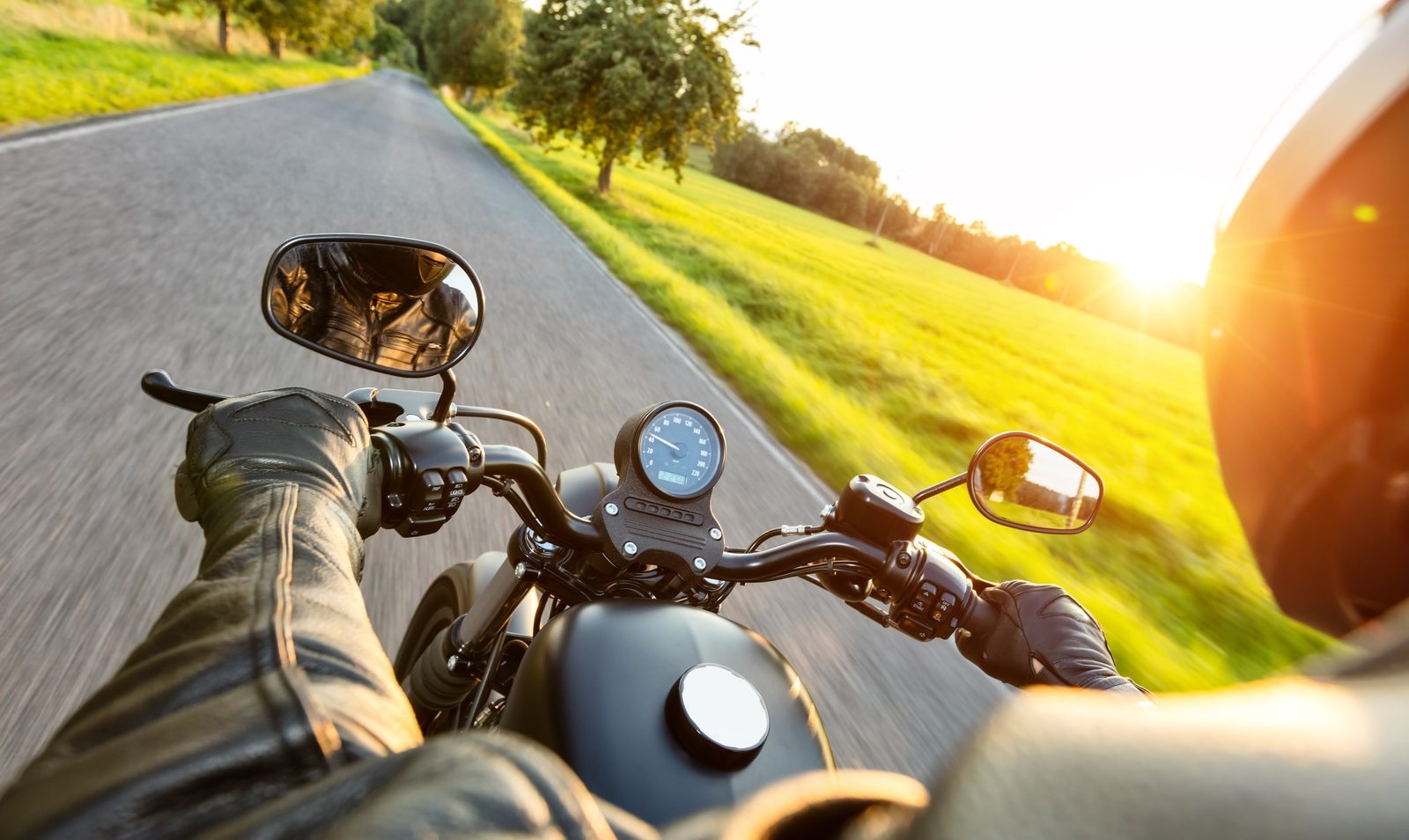
How to Meet Riding Friends Without Joining a Club
Skip the formal club and still build a real riding crew — the apps, online communities, bike nights, and casual meetups bikers use to find riding friends on their own terms.
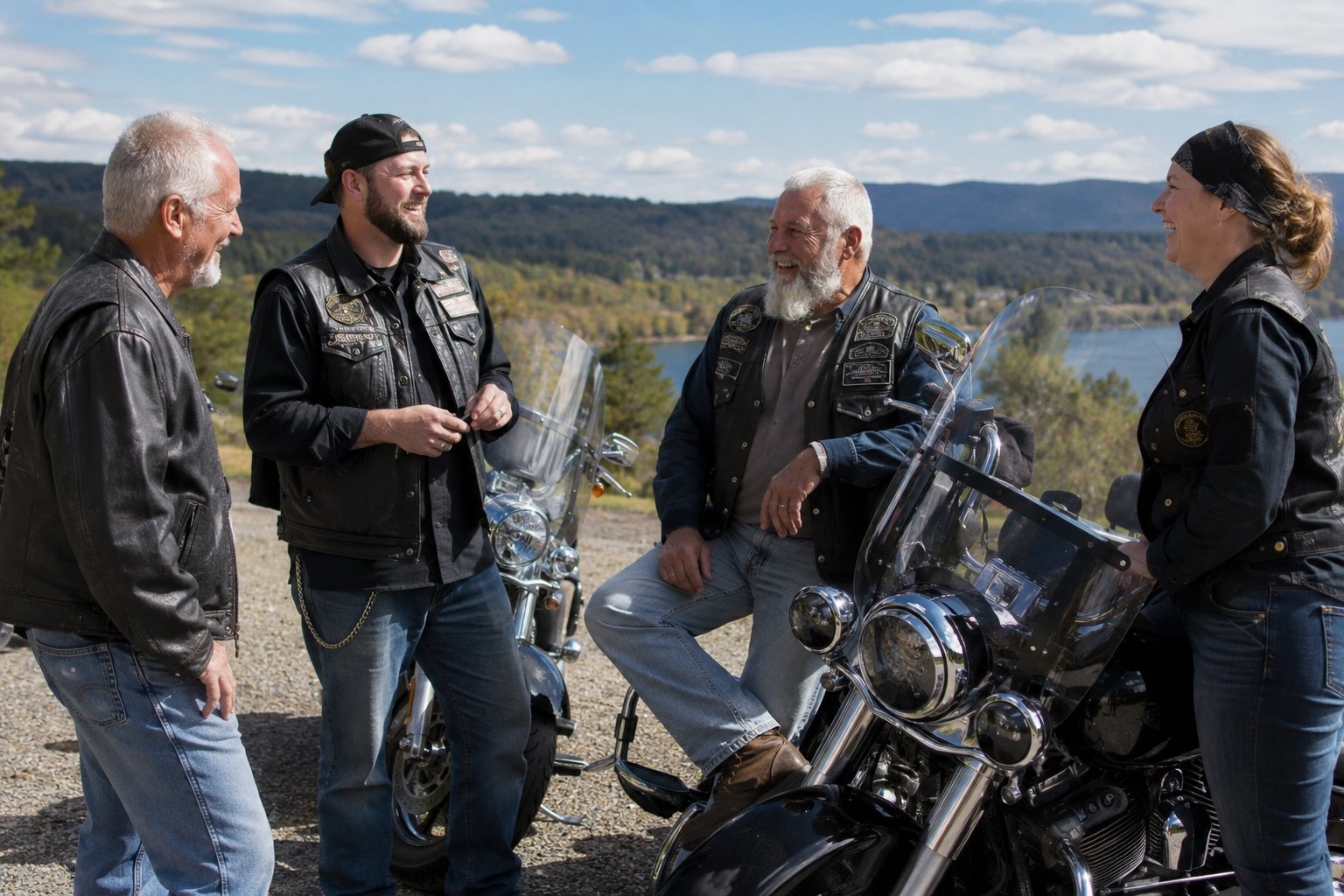
Making Friends Through Motorcycles at Any Age
Motorcycles are one of the great social equalizers — here's why riding builds some of the strongest friendships around, and how to find yours.