
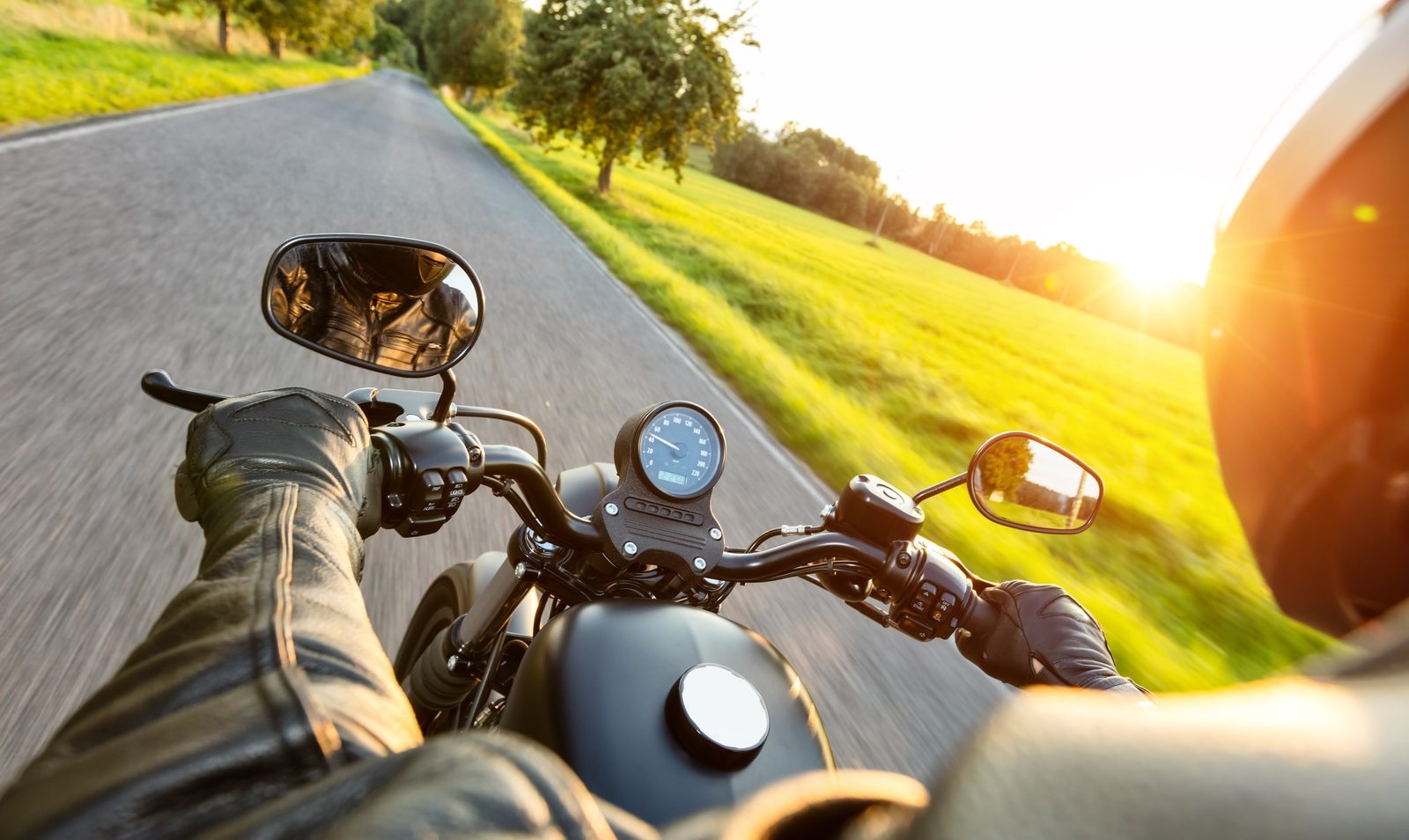
How to Meet Riding Friends Without Joining a Club
Riding alone has its appeal, but most motorcyclists eventually want company on the road: someone to swap gear recommendations with, plan a weekend trip around, or just grab coffee with after a ride. The default advice is always "join a club," but formal membership isn't for everyone. Dues, meeting schedules, and club politics can feel like a lot of overhead just to find people who like riding as much as you do.
The good news is that the motorcycle community has never been easier to tap into without signing a membership form. Between riding apps, local events, and online groups, you can build a real circle of riding friends on your own terms. Here's how.
Why Clubs Aren't the Only Option Anymore
Motorcycle clubs used to be the main gateway into the riding community — they organized the rides, owned the social calendar, and gatekept who you met. That's changed. Riding-focused apps, social media groups, and informal local meetups now do much of what clubs used to do, minus the commitment.
This matters because not every rider wants a structured hierarchy, regular dues, or a patch on their jacket. Some just want a few people to ride with on a Saturday morning. Skipping the club doesn't mean skipping the community — it just means building it yourself, piece by piece.
Use Riding Apps Built for Connecting With Other Motorcyclists
The fastest way to meet nearby riders is through apps designed specifically for that purpose. Several have grown a strong following among motorcyclists looking for casual riding partners rather than club membership:
- REVER is built around trip planning and GPS route tracking, but its social layer lets you see other riders' routes and connect with people riding similar terrain near you.
- EatSleepRIDE (ESR) is one of the better tools specifically for meeting people. It shows nearby motorcyclists, lets you message them directly, and makes it simple to spin up a casual group ride. It also includes crash detection, which is a nice safety net when you're riding with people you've just met.
- Tonit focuses on building a rider-only social network, where you can track rides, share them, and connect with motorcyclists in your area without any club affiliation.
- Riser (from Cardo) lets you organize rides with friends or new contacts and keeps a record of routes you've shared with the group.
- Meetup isn't motorcycle-specific, but it's widely used by riders to find informal group rides and one-off events without joining anything beyond the app itself.
The advantage of apps over clubs is flexibility: you show interest in a ride, show up if you want, and there's no ongoing obligation if your schedule changes the following month.
Tap Into Online Motorcycle Communities
Online forums and social groups remain one of the most reliable ways to find riding friends, especially if you're new to an area or just getting into motorcycling.
Reddit communities like r/motorcycles and city- or model-specific subreddits (think r/Harley, r/KTM, or a subreddit for your home city) are full of riders organizing informal meetups. Posting that you're new to the area and looking for people to ride with is a completely normal thing to do — these communities exist partly for that reason.
Facebook groups are still go-to spaces for local riding communities. Search for your city or region plus "motorcycle riders" or "riding group," and you'll likely find an active group where members post weekend ride plans, swap maintenance tips, and organize meetups with zero membership requirement.
Brand and model-specific groups are worth searching out too. If you ride a specific make, owners' groups (official or unofficial) tend to be friendly toward newcomers and often organize regional rides that anyone can show up to.
The key with online communities is to actually participate before asking to ride. Comment on a few posts, answer a question if you can, and introduce yourself. Riders are generally welcoming, but showing up cold and asking "who wants to ride with me" gets a better response once you're a recognizable name in the group.
Show Up to Bike Nights and Casual Meetups
Bike nights are one of the most underrated ways to build riding friendships. Local bars, diners, and motorcycle dealerships frequently host weekly or monthly bike nights where riders gather, look at each other's machines, and talk shop. There's no sign-up sheet and no obligation to come back — you just show up on your bike.
These events work because they remove the awkwardness of cold outreach. Everyone there already has the riding bug in common, and conversation starts naturally around bikes, gear, and routes. A few visits to the same bike night and you'll likely have a small rotating crew of people to text before your next ride.
Dealerships are a particularly good source of these events. Many host monthly meetups, demo days, or charity rides that are open to anyone, regardless of what brand you ride. Checking the events calendar of dealerships within riding distance is a low-effort way to find several opportunities a month.
Look for Adventure and Dual-Sport Riding Communities
If you ride adventure or dual-sport bikes, you're in luck — these communities tend to be especially informal and welcoming compared to cruiser or sportbike clubs. Group rides are frequently organized ad hoc through forums, Instagram, or local Facebook groups, with riders meeting at a gas station or trailhead rather than through any club structure.
Searching for terms like "[your region] ADV riders" on Facebook or Instagram usually turns up an active community. These groups often skew toward exploration and skill-building rather than formal hierarchy, which makes them easy to dip into without commitment.
Use Instagram and Strava the Right Way
Social platforms aren't just for posting photos of your bike — they're genuine networking tools if you use location tags and hashtags strategically. Searching location-based hashtags (like #[yourcity]riders or #[yourstate]motorcycles) often surfaces local riders posting about routes and meetups. Commenting on a few posts and following local riders is a low-pressure way to get on people's radar before you ever ride together.
Strava, more associated with cycling, has a growing motorcycle segment in some regions too, where riders log routes and can see who else rides similar roads nearby.
Volunteer for or Attend Charity Rides
Charity rides are open to virtually anyone with a bike and a helmet, and they're a great low-stakes way to ride alongside dozens of other motorcyclists in a single afternoon. Because everyone is there for the same cause rather than club allegiance, conversation flows easily, and it's common to swap contact information with a few riders you click with.
These events are usually advertised through local dealerships, riding apps, and community Facebook groups, so the same channels you're already using to find bike nights will likely surface them too.
Be the One Who Organizes the Ride
Once you've met a few people through any of the channels above, don't wait for someone else to organize the next ride. Suggesting a casual Saturday morning loop to two or three new contacts is often all it takes to turn a string of one-off encounters into a real, recurring group. Most riders are happy to follow someone else's lead on logistics — they just want an excuse to ride.
Keep these group rides low-pressure: a simple route, a clear meeting point and time, and a coffee or lunch stop. The social side often matters more than the mileage.
Frequently Asked Questions
Do I need to ride a specific type of bike to find a riding group?
No. Most apps, bike nights, and online communities are open to any make or model. Brand-specific groups exist too, but general riding communities and meetups welcome cruisers, sportbikes, adventure bikes, and everything in between.
Is it safe to ride with people I met online?
Treat it like any first meetup: pick a public meeting point, ride at your own pace, and don't feel obligated to keep up with anyone. Apps like EatSleepRIDE with built-in crash detection add a layer of reassurance, but basic precautions — telling someone your route, carrying a phone, riding within your skill level — apply regardless of how you met your riding partners.
How long does it usually take to build a riding circle this way?
It varies, but most riders see results within a few weeks of consistent effort: a couple of bike nights, some activity in a local Facebook group or subreddit, and one or two app-organized rides. The riders who stick with it casually for a month or two almost always end up with a regular group.
What if there's no active riding community near me?
If local groups seem thin, you can start one. Post in the nearest city's Facebook group or subreddit, put up a flyer at a dealership, or simply organize a ride and invite anyone who's expressed interest in riding. Many of today's biggest informal riding groups started with one person doing exactly that.
Building Community on Your Own Terms
Meeting riding friends without a club comes down to consistency, not commitment. Use an app or two to find nearby riders, show up regularly to a bike night or local meetup, participate genuinely in online communities, and be willing to organize the occasional ride yourself. None of this requires dues, a vest, or a formal initiation — just a willingness to show up where other riders already are.
The motorcycle community has always been built on shared experience more than formal structure. Clubs are one way to access that community, but they're far from the only one. With the right mix of apps, local events, and online groups, you can build a riding circle that fits your schedule and your personality — no membership card required.
You might also like
How to Introduce Yourself to a New Riding Community
Joining a new riding community? Here's how to introduce yourself the right way — from your first post to your first ride — without feeling like an outsider.
How Social Riding Builds Confidence
Group riding does more than double the fun — it actively makes you a better, more confident rider. Here's how riding with others builds skills that solo riding alone can't.