
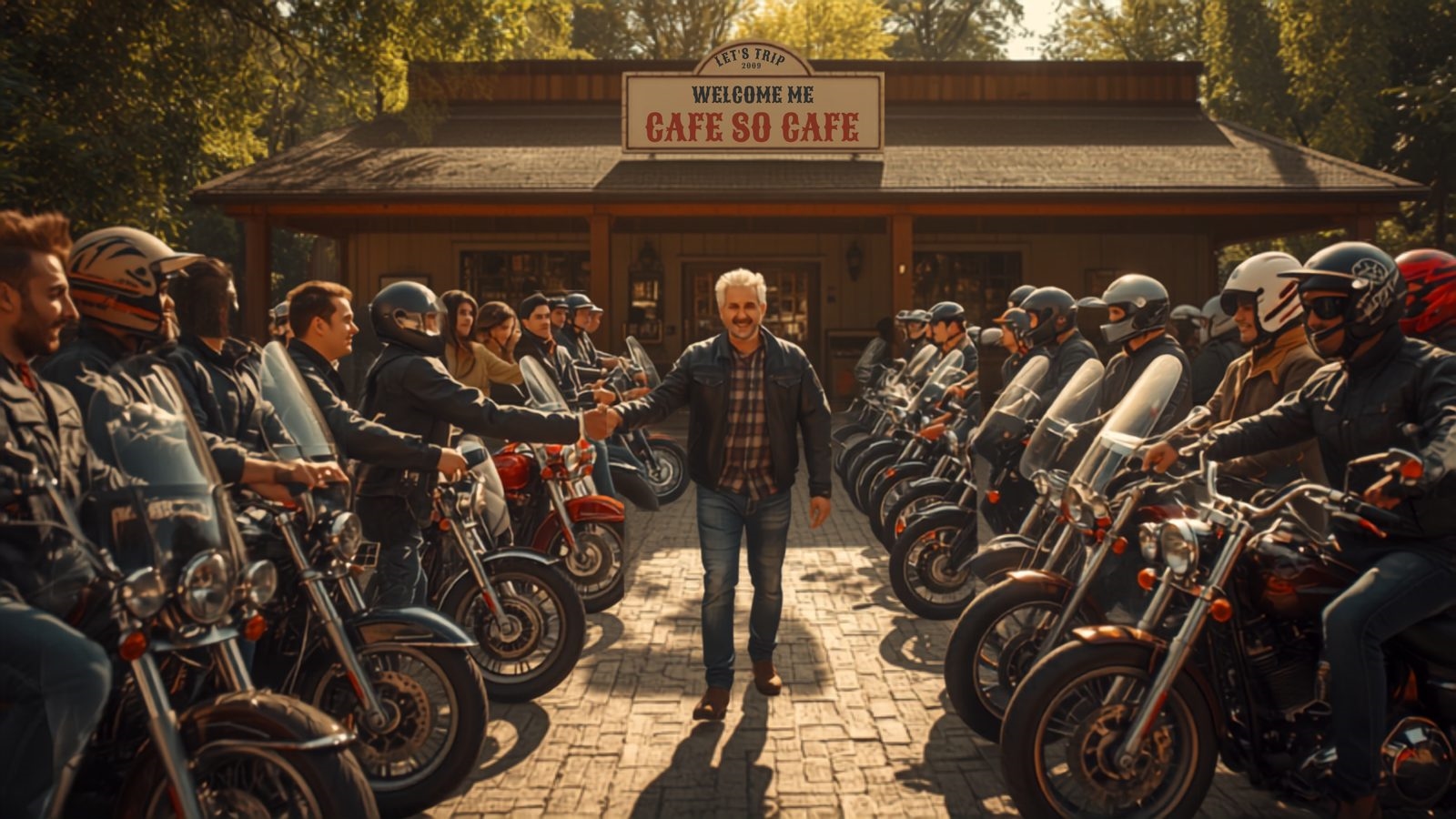
How to Introduce Yourself to a New Riding Community
Walking into a new riding community — online or in person — can feel a lot like turning up to a party where everyone already knows each other. Riders have history, inside jokes about that one rally, and a shorthand for routes and gear that can make a newcomer feel like they're a step behind before they've even said hello. The good news is that most riding communities want new members more than they want to gatekeep them. You just need to introduce yourself in a way that actually invites a response.
Whether you're posting in a Facebook group for the first time, joining a new app-based riding circle, or walking up to a bike night solo, the same principles apply. Here's how to do it well.
Do Your Homework Before You Post
Before you write a single word, spend a few minutes reading what's already there. Scroll through recent posts in the group, check the pinned rules if there are any, and get a feel for the tone — some communities are casual and joke-heavy, others are more focused on routes and logistics. Showing up with a sense of the room makes your introduction land better than firing off a generic "hi all" the second you join.
This goes for in-person communities too. If you're heading to your first bike night or group ride, a quick look at the event page or a message to the organizer about what to expect (where to park, what time people actually start riding versus standing around chatting) takes the edge off the nerves.
Write an Introduction That Actually Says Something
A good introduction doesn't need to be long, but it does need to give people something to respond to. "New here, excited to be part of the group" is friendly but forgettable. Compare that to: "New here — ride a 2019 Triumph Bonneville, based just outside Leeds, looking for people up for shorter weekend rides rather than long-distance touring." The second version gives someone a reason to reply, whether that's "I'm nearby too" or "we've got a regular Sunday loop you'd probably like."
If you're a pillion rather than a rider, say so plainly and with the same confidence — you're not a passenger to the conversation, you're a full member of the community with your own reasons for being there.
Show Up Before You Show Off
Nobody expects a newcomer to have the best bike, the most miles, or the sharpest riding gear. What riding communities do notice is whether someone shows up consistently and engages genuinely — liking posts, answering a question you actually know the answer to, turning up to a second and third meetup rather than just the first. Consistency builds trust faster than any single impressive introduction ever could.
Ask Questions, Don't Just Announce Yourself
An introduction that ends with a question almost always gets more engagement than one that's purely a statement about yourself. "Does anyone have a recommendation for a decent rain jacket?" or "Is there a regular meet-up spot for this group?" gives people an easy, low-pressure way to welcome you in. It also signals that you're there to participate, not just to be seen.
Bring Something to Your First Ride, Not Just Yourself
If your introduction leads to an actual ride or meetup, think about what small thing you can contribute beyond showing up. That might be local knowledge of a good café stop, a willingness to help someone with a minor bike issue, or simply being the person who remembers everyone's name by the second meetup. None of this needs to be dramatic — small, genuine contributions are what turn "the new person" into "part of the group."
Handle the Inevitable Awkward Moment
At some point you'll misjudge the group's tone, ask a question that's already been answered a dozen times, or just stand around a bit too long not knowing who to talk to. This happens to everyone, including the riders who've been in the group for years. The fix is the same every time: a quick laugh at yourself, a genuine "still getting to know everyone," and moving on. Riding communities are generally far more forgiving of an honest newcomer than an evasive one.
Frequently Asked Questions
What should I say in my first post to a new riding group?
Keep it short and specific: your name, roughly where you're based, what you ride (or that you're a pillion looking to ride), and one genuine reason you joined. A single sentence on what you're hoping to find — a Sunday group, a rally crew, just people to grab coffee with after a ride — gives people something to respond to.
Do I need to know a lot about bikes before I introduce myself?
No. Riding communities are generally far more welcoming to genuine newcomers than to people pretending to know more than they do. Being upfront that you're new, or that you're a pillion rather than a rider, is far more likely to get a warm response than trying to sound like a seasoned veteran.
What if nobody responds to my introduction?
It happens, and it's rarely personal — busy feeds and group chats bury posts fast. Give it a day, then follow up by commenting on someone else's post or showing up to an event in person. A face at a meetup tends to get remembered in a way a single text post doesn't.
Is it okay to introduce myself in person instead of online?
Absolutely — for a lot of riders, it's the easier route. Showing up to a bike night or group ride and introducing yourself face to face skips the awkwardness of writing the perfect post, and people often warm up faster to someone they can shake hands with.
Your Place in the Community Starts With One Hello
Every long-time member of every riding community was once the person who didn't know anyone. What turns a first post or a first awkward bike night into a real sense of belonging isn't a perfect introduction — it's showing up again, asking a genuine question, and letting people get to know you a little at a time. Get the first hello right, and the rest tends to follow on its own.
You might also like
How to Meet Riding Friends Without Joining a Club
Skip the formal club and still build a real riding crew — the apps, online communities, bike nights, and casual meetups bikers use to find riding friends on their own terms.
Making Friends Through Motorcycles at Any Age
Motorcycles are one of the great social equalizers — here's why riding builds some of the strongest friendships around, and how to find yours.