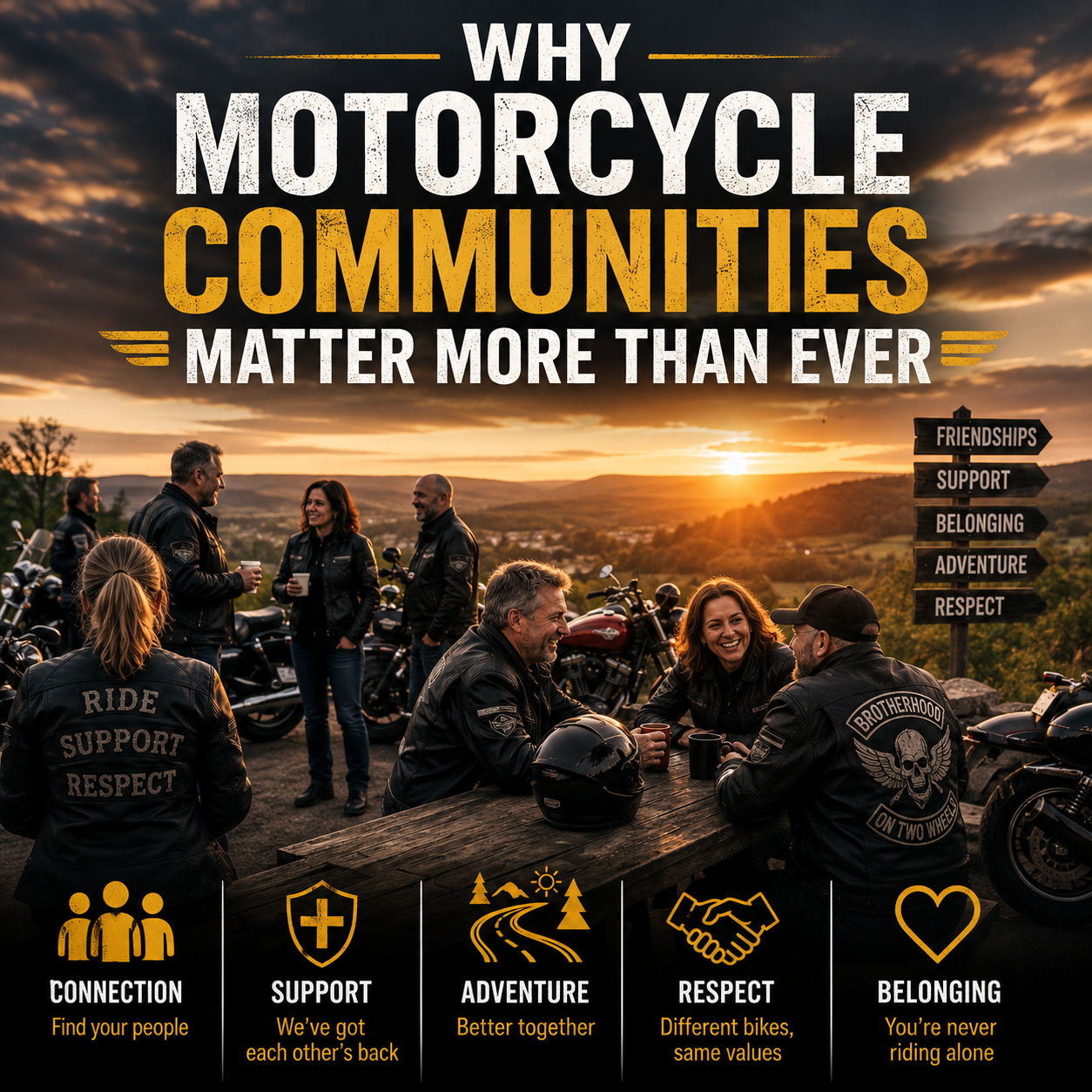
Why Motorcycle Communities Matter More Than Ever
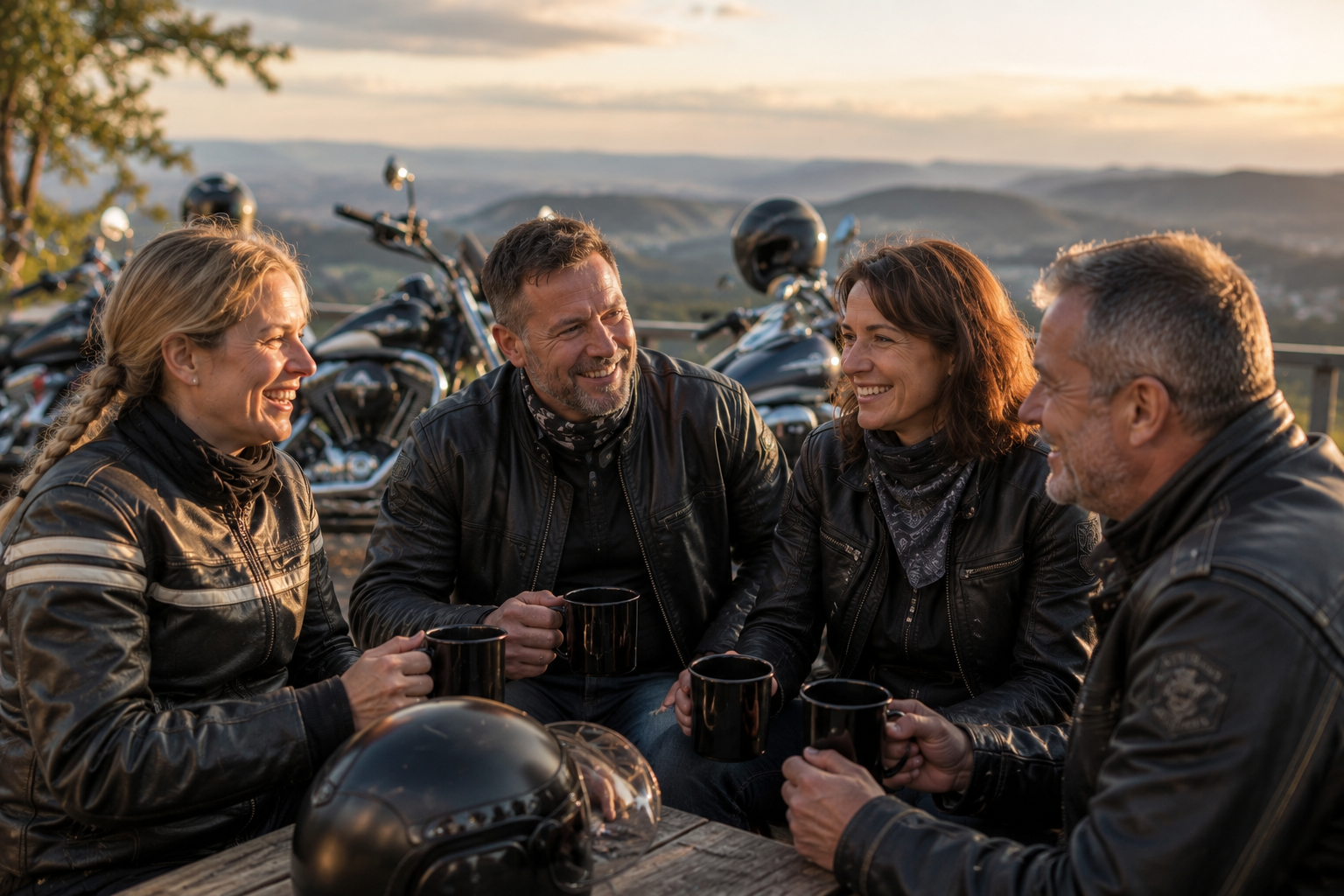
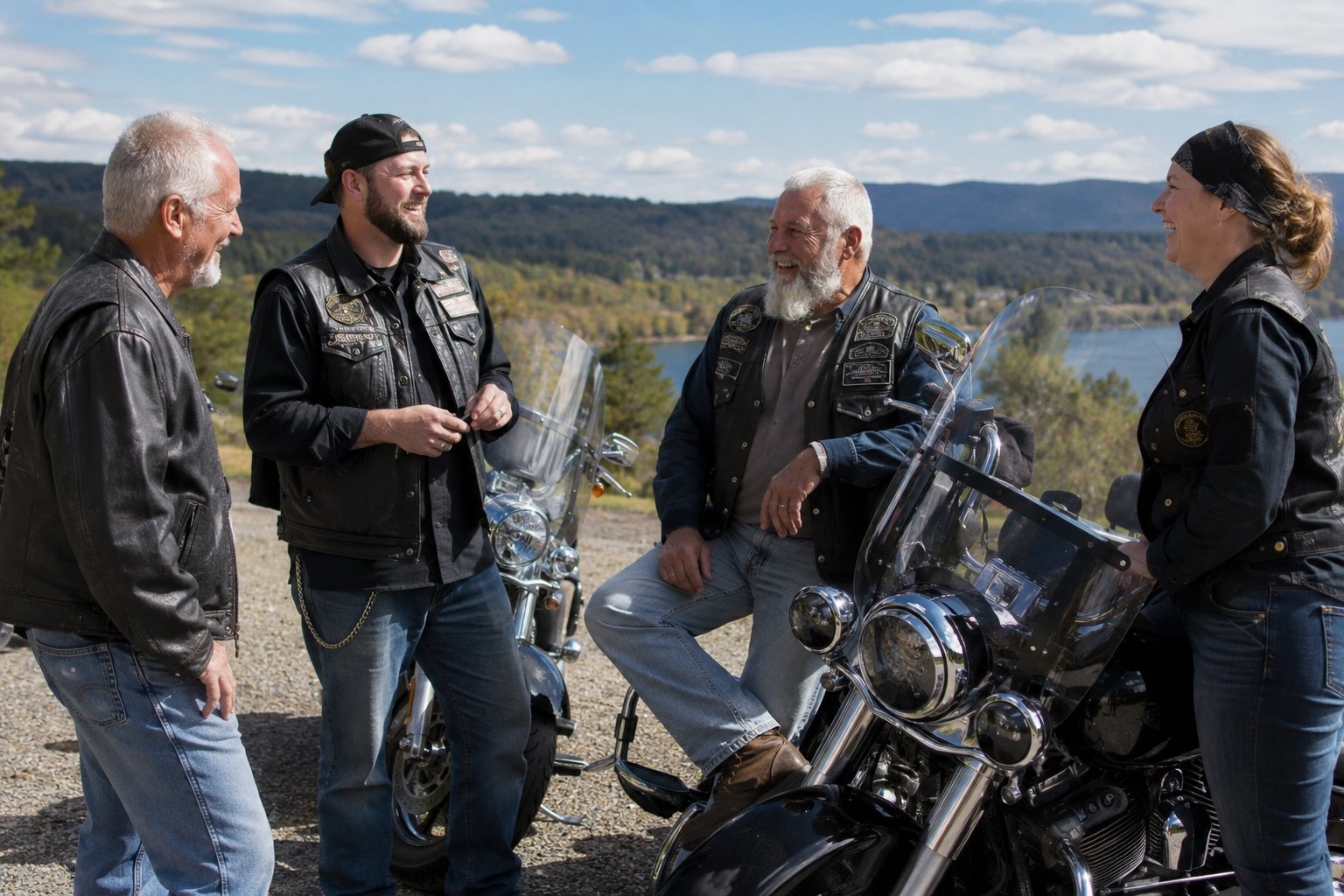
Motorcycling has always had a strong sense of community — the wave between riders, the nod at traffic lights, the immediate common ground at a fuel stop or café. It's one of the things that surprises people who come to motorcycling later in life: the discovery that riding isn't just a way to get places or spend a Sunday, it's a way into a community that already exists and is waiting to welcome you. In a world where genuine social connection is increasingly elusive, that matters more now than it ever did.
Real Connection in a Disconnected World
Most modern social interaction happens at a remove. We communicate through screens, scroll past other people's curated highlights, and mistake the volume of digital contact for actual connection. Motorcycle communities are different in an important way: they are fundamentally in-person. The café meet, the group ride, the roadside chat — these are real encounters with real people, in real time, in shared physical space.
This isn't a small thing. Social researchers have been consistent for decades on the importance of in-person connection to wellbeing. A community built around motorcycling gives people regular, low-pressure reasons to be in the same place as others who share a genuine passion. The ride is the activity; the connection is the point.
The Mental Health Case
Riders often describe the effect of a good ride in terms that sound remarkably like the language of mindfulness — the way the focus required clears the mind, the sense of being fully present rather than distracted, the mood shift that follows an hour on a good road. These aren't romantic exaggerations; they reflect something real about what sustained, skilled physical activity does to the brain.
Add the social dimension of a riding community and the benefits compound. Belonging to a group of people you like, who are pleased to see you and share your interests, is one of the most reliable contributors to mental wellbeing that psychology has identified. Many riders, when asked what motorcycling has given them beyond the riding itself, name the community first.
Communities Pass On What Matters
Motorcycle communities are the primary channel through which riding knowledge passes between generations. The route that's worth the detour, the road surface that catches everyone out, the fuel stop that's worth the extra mile, the mechanical shortcut that saves an afternoon — none of this is in any manual. It exists in the collective memory of riders who've been doing this for years and are glad to share it with people who are starting out.
This informal knowledge transfer is one of the underrated functions of any tight community, and motorcycling communities tend to be particularly good at it. The culture of helping people out, of sharing what you know, is strong across almost every segment of motorcycle riding.
They Keep People Riding
Riders who are embedded in a community ride more, ride longer into their lives, and are less likely to sell the bike during a quiet period. The community provides reasons to ride that go beyond the individual's own motivation — a meet to get to, a regular ride to be part of, people who'll ask where you've been if you're absent. These social reasons are often what sustains riding through the periods when life makes it harder to prioritise.
This is one of the less obvious things that a riding community does: it lowers the threshold at which riding happens. A solo rider needs to generate all their own motivation. A rider with a community has external pull as well as internal drive, and that makes a meaningful difference across a riding life.
They Generate Belonging
Belonging — the sense of being genuinely part of something, of mattering to a group — is one of the fundamental human needs that modern life has become surprisingly bad at meeting. Motorcycle communities tend to generate it organically and without a great deal of ceremony. You show up consistently, you contribute what you can, and fairly quickly you're part of something. The belonging doesn't require status or achievement; it just requires presence and a shared love of the road.
That's worth more than it sounds. For a lot of riders, the community around motorcycling is the community in their life — the people they see most often, trust most readily, and would miss most if it disappeared. That's not an accident or a side effect. It's what happens when you give people a genuine reason to be together, repeatedly, over time.
Finding Your Community
If you haven't found your riding community yet, the starting point is straightforward: find a local meet, show up, and do it again. The community doesn't announce itself; it's built from presence and consistency. Pillion Link is a good place to start — it's designed specifically to connect riders and pillions who want exactly this kind of real connection, in the place where you actually live and ride.